Tree & Plant Health
Tree Disease Management
Diagnosis and management of blue spruce needle cast, crabapple leaf diseases, bacterial leaf scorch, and other tree diseases.
Overview
How Ken Can Help
Many tree diseases look alike, and they are easy to confuse with drought stress, root damage or insect injury. A correct diagnosis is the only way to know whether treatment will help, whether the problem can be managed, or whether it is time to plan ahead.
Diseases Ken sees most often
- Blue spruce needle cast and cankers. Colorado blue spruce often struggle with Indiana's heat, humidity and heavy clay soils. Fungal needle casts like Rhizosphaera turn the inner and lower needles purple-brown until they drop, leaving the tree thin from the bottom up. Canker diseases kill whole branches, sometimes with white resin on the bark. Needle cast can often be managed with well-timed treatments over more than one season. Cankers are managed mainly by reducing stress on the tree.
- Crabapple leaf diseases. Apple scab causes olive-green to black spots on the leaves and heavy early leaf drop, sometimes leaving a crabapple half bare by midsummer. Cedar-apple rust causes bright yellow-orange spots and needs nearby junipers to complete its life cycle. Fire blight is a bacterial disease that blackens shoot tips and curls them into a shepherd's crook. How hard a crabapple is hit depends a lot on the variety.
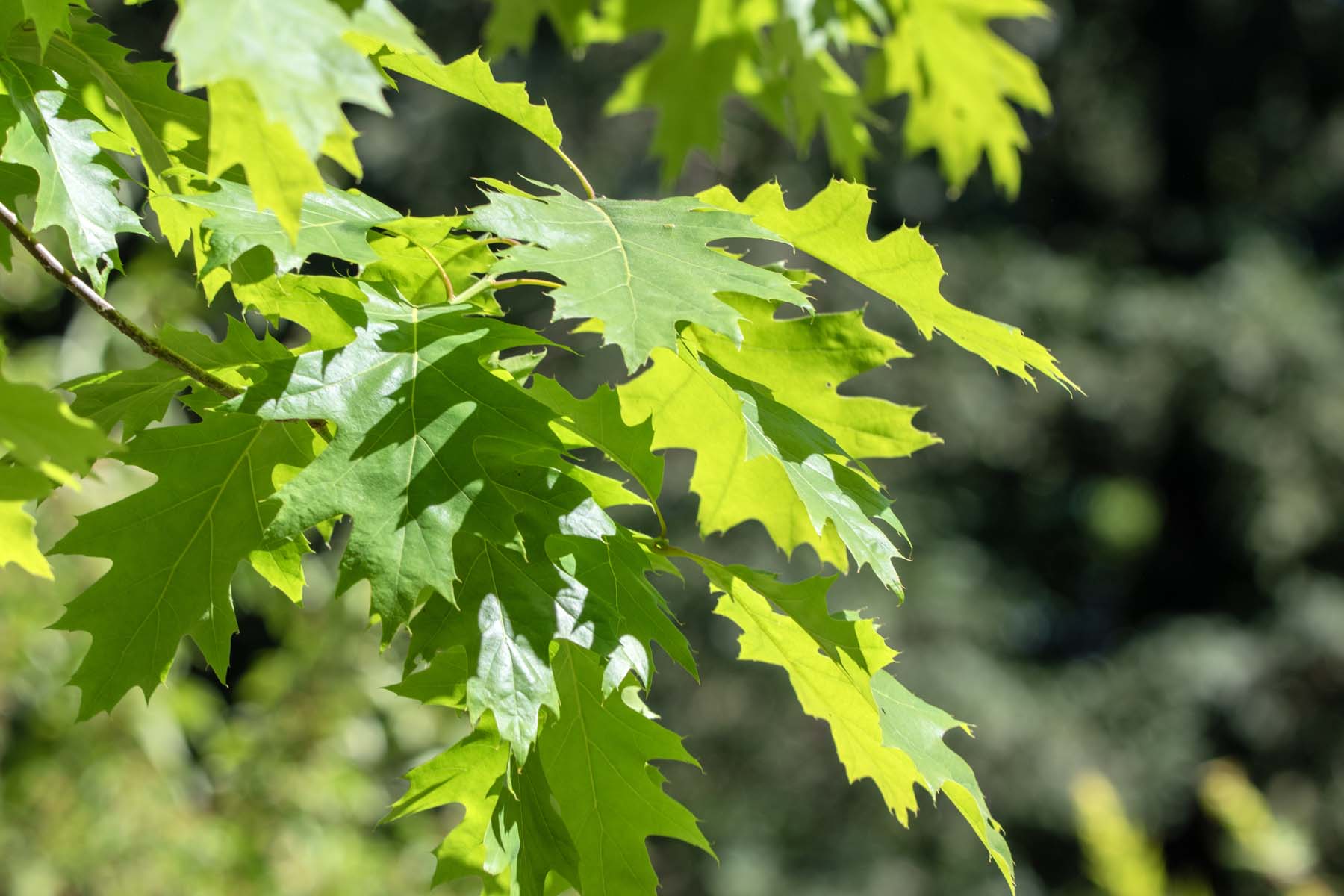
- Bacterial leaf scorch. A bacterial disease that affects oaks and other shade trees. Leaves brown from the edges or tips in late summer, often with a yellowish band between brown and green tissue. It looks a lot like drought scorch, so lab testing is needed to confirm it. There is no cure, but good care can help an infected tree stay in the landscape longer.
- Other leaf, branch and canker diseases that cause spotting, early leaf drop or dieback.
How Ken approaches it
Ken looks at the symptoms, the tree's history and the growing site, and when needed he can help collect samples for lab confirmation. From there he explains your options: treatment where it is effective, care practices that reduce stress, monitoring, or planning for replacement when a disease cannot be managed.
Signs worth a closer look
- Purple-brown needles dropping from the inside and bottom of a spruce
- Dead branches on an otherwise green spruce
- Spotted leaves or heavy early leaf drop on crabapples
- Shoot tips that turn black and curl over
- Leaves browning from the edges or tips in mid to late summer
- Branch dieback that gets worse year to year
Not sure what you're seeing?
Call 317-220-2548Realistic expectations
What to Expect
Some tree diseases can be treated, some can only be managed, and some cannot be stopped. Ken will be straightforward about which situation you are in. Management focuses on slowing decline, reducing stress on the tree and helping you make good decisions about its future. He does not promise cures.
Related services
Other Ways Ken Can Help
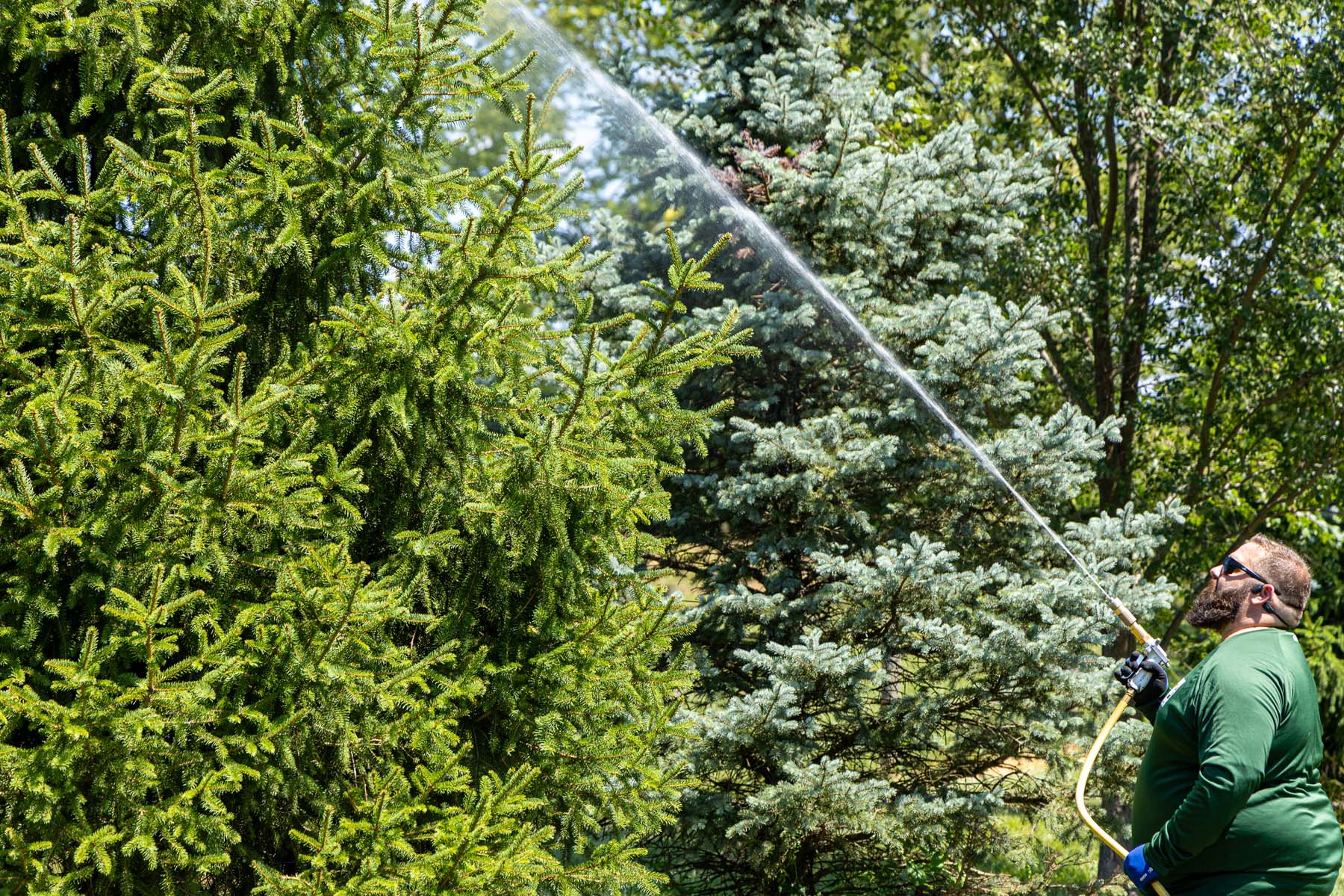
Insect & Pest Management
Diagnosis and targeted management of emerald ash borer, mites, scale, bagworms, and other insects on trees and shrubs.
Learn more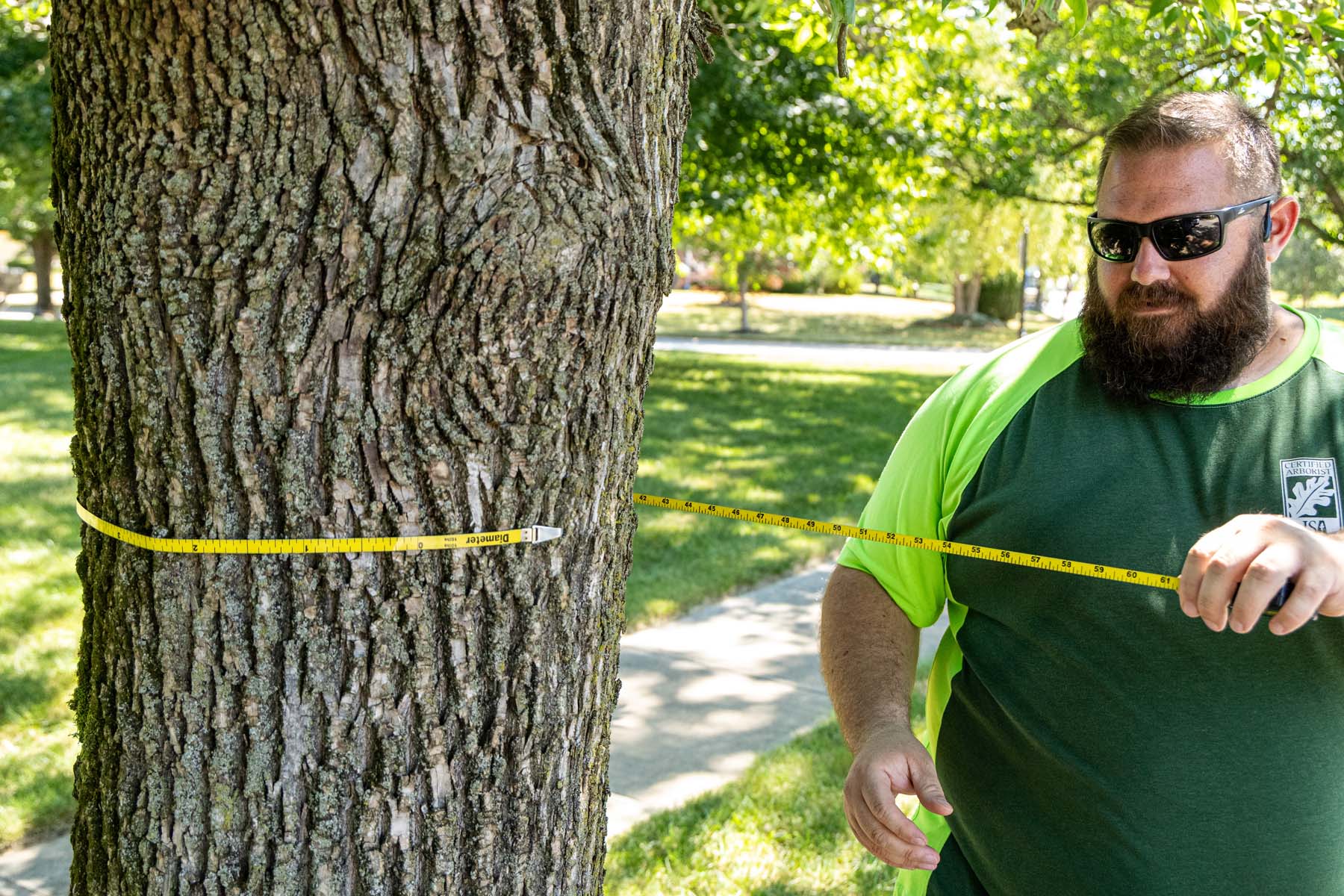
Tree Inspections & Consultations
Health inspections, tree and shrub assessments, and diagnosis, followed by a care plan built for your property.
Learn more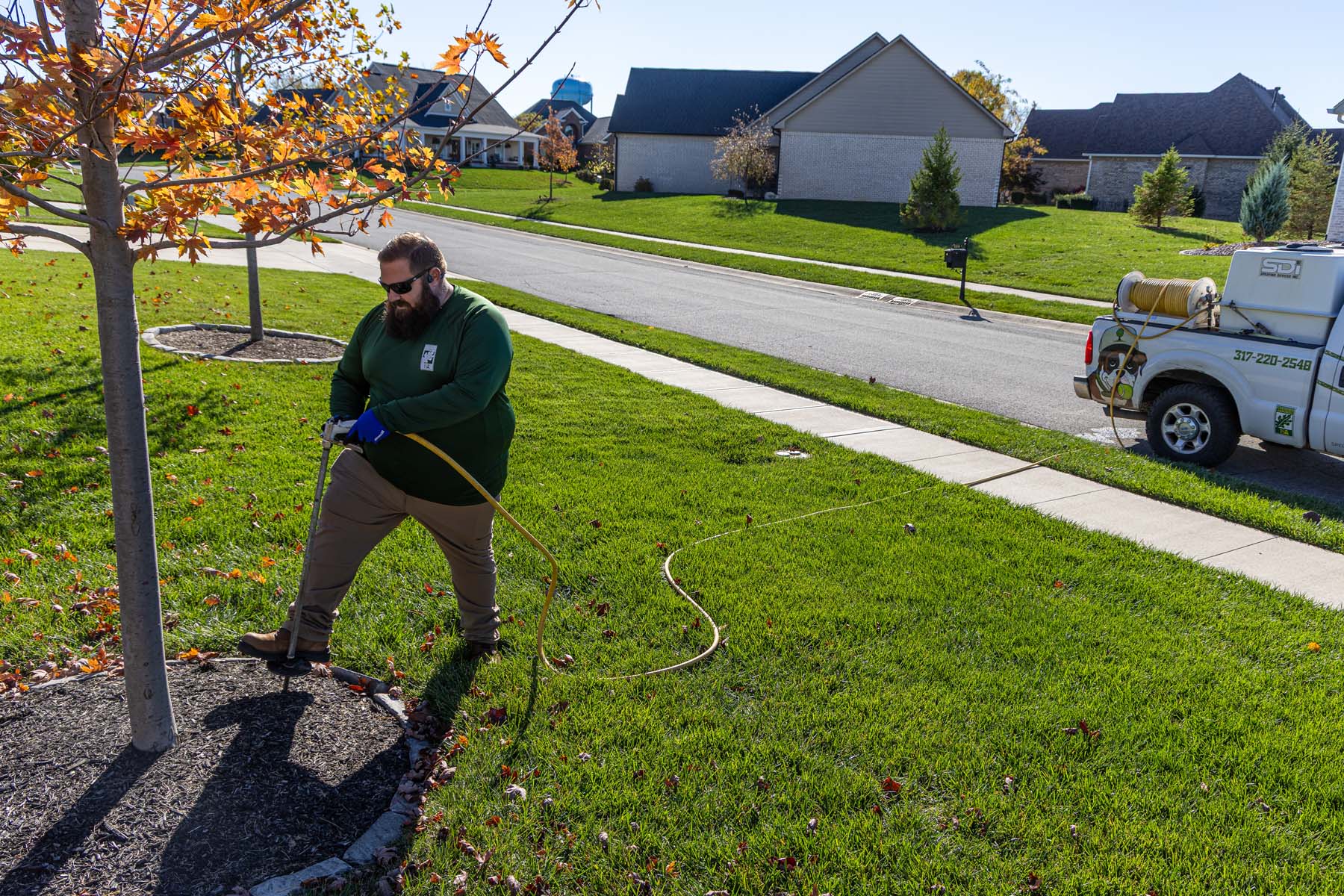
Plant Fertilization & Nutrition
Tree and shrub fertilization and root-zone feeding, planned around each plant's condition and site.
Learn more
Let's Talk About Your Property
Have a tree or shrub that doesn't look quite right? Contact Ken's Tree Care to discuss your concerns and next steps.