
Insects
Why Is My Spruce Turning Dull and Bronze?
Tiny spider mites can leave evergreens and shrubs looking faded and dusty. Some are most active in cool spring and fall weather.
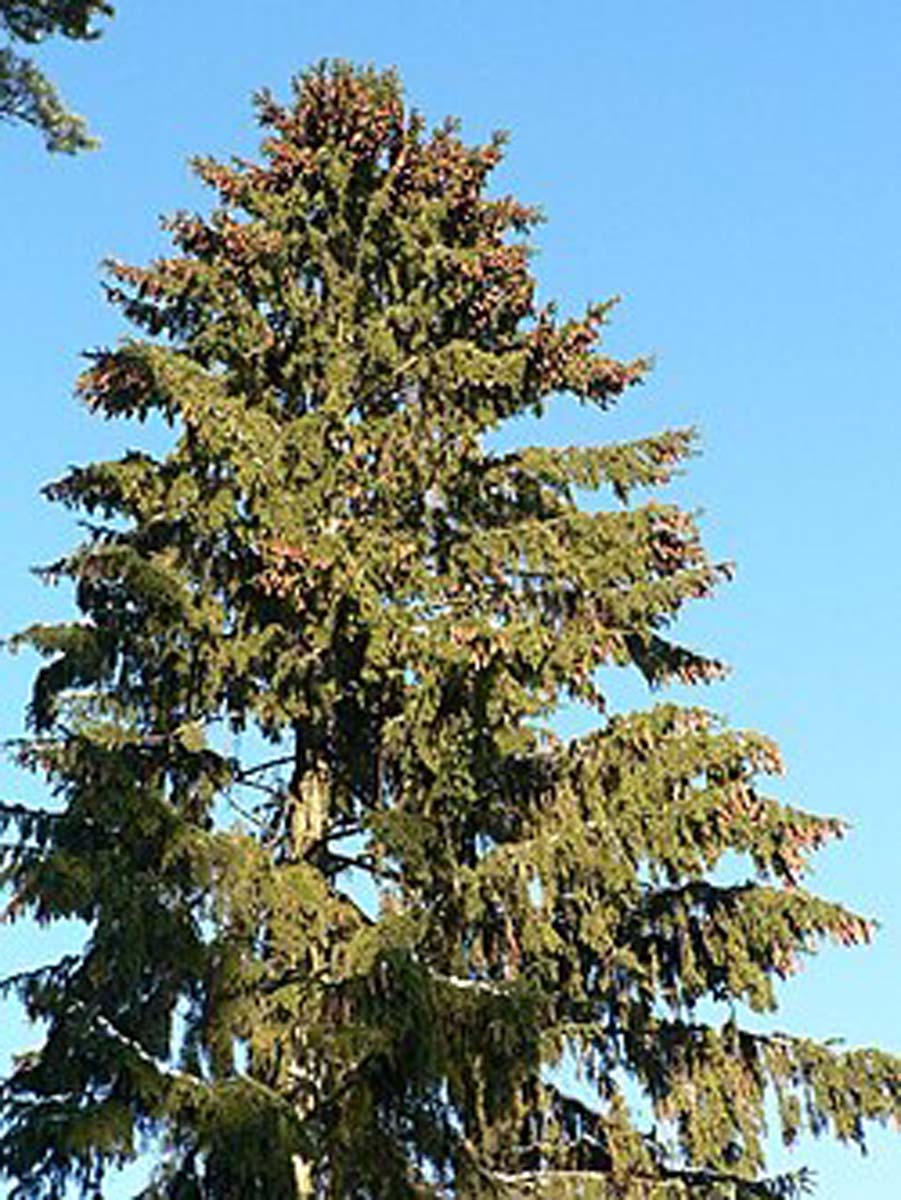
Spider mites are tiny relatives of spiders, so small that most people never see them. What you notice is the damage: foliage that looks faded, dusty or bronzed, sometimes with fine webbing between needles or leaves.
Cool-season and warm-season mites
Not all mites are active at the same time of year. Cool-season species, such as the spruce spider mite and southern red mite, feed when daytime highs are below about 85 °F. That means they can cause damage in spring and again in fall, after many people have stopped watching for pests. Warm-season mites, like the two-spotted spider mite, feed on a wide range of flowering plants and shrubs during hot weather.
Signs to look for
- Needles or leaves that look faded, grayish or bronze
- A dusty look to the foliage
- Fine webbing, especially on the inner branches
- Damage that seems worse on the inside or lower part of the plant
A common cause of mite outbreaks
Mites are normally kept in check by predatory insects and mites. Broad-spectrum sprays used against other pests can kill those predators, and mite problems often flare up afterward.
When to call an arborist
Mite damage can look a lot like drought stress or other problems. An arborist can confirm whether mites are the cause and whether they're still active before anything is treated.

Have a Tree That Needs a Closer Look?
Every tree and property is different. Ken can take a look and tell you what's really going on.